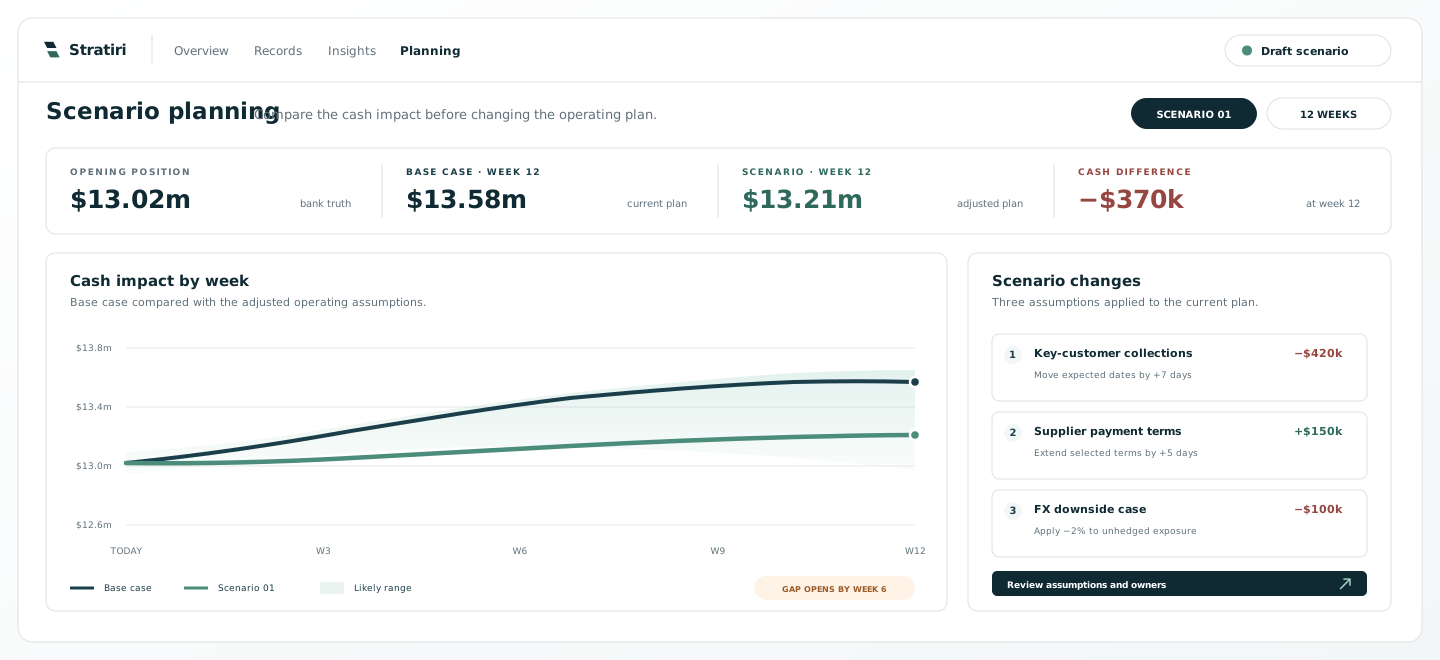
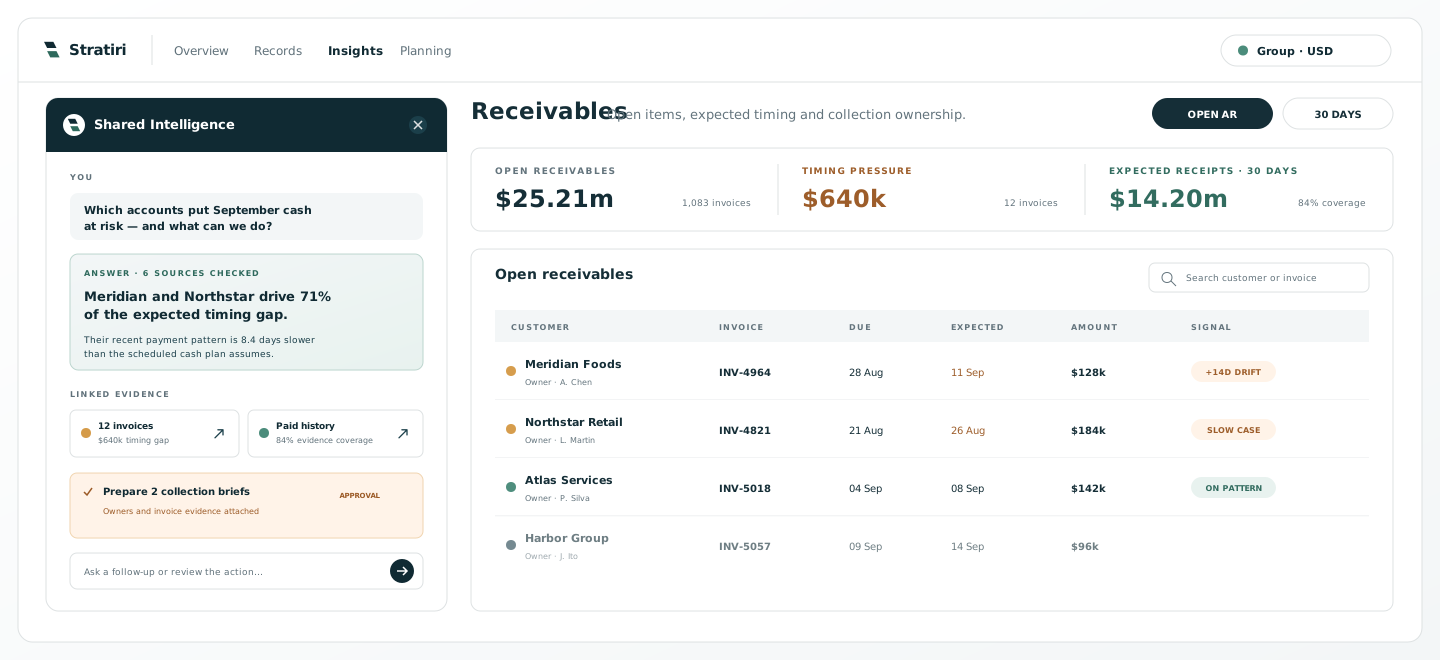
Forecast when cash will settle.
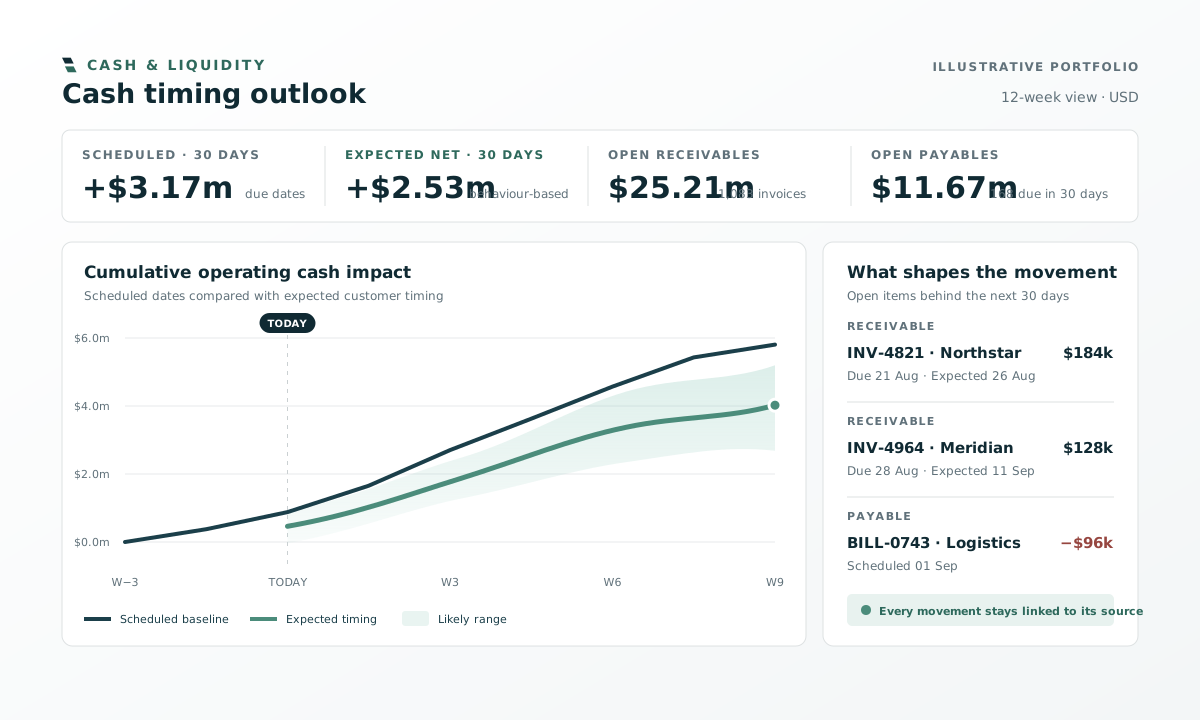
Compare contractual due dates with expected payment dates by week or month. Review the likely range, then open the receivables, payables or scheduled payments driving it.
One financial model, built from your ERP, banking and planning data. A position you can trust, and a forecast you can defend.
Every finance system holds part of the answer and none holds all of it. Stratiri reads them together, so the position and the reasons behind it sit in one place.
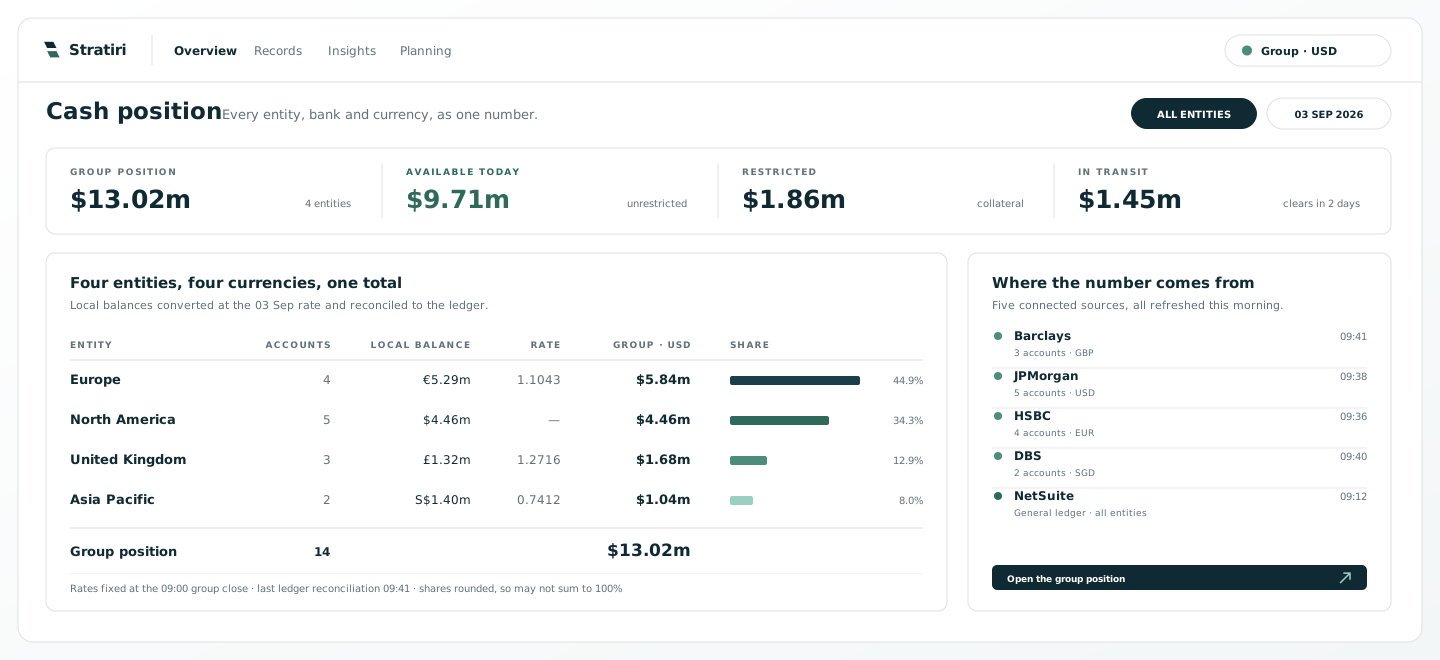
Cash by entity and currency, consolidated for the group.
What is tied up in receivables, payables and unbilled work.
Revenue, gross margin and EBITDA against budget and prior period.
FX, interest-rate and counterparty exposure, before and after hedging.
Balances reconciled to the ledger, idle cash flagged, settlement forecast from how counterparties actually pay.
Receipts applied to invoices. Open items aged by customer, supplier and entity.
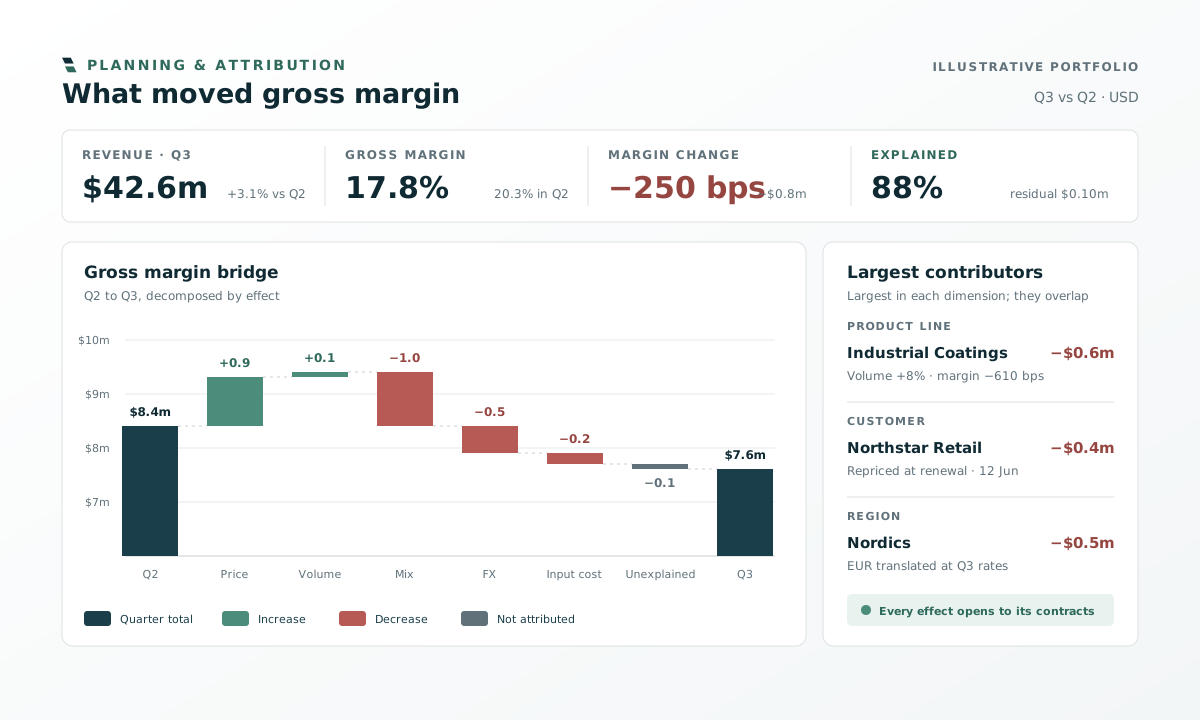
Revenue, gross margin and EBITDA decomposed into price, volume, mix and FX.
Exposure by currency, hedge coverage and portfolio VaR, with rate and benchmark shocks modelled.
Balances, statements and scheduled payments
Bookings, invoices and open items
Activity, budgets and forecasts
FX rates, benchmarks and curves
The same connected records answer very different questions. Two of them: when cash will actually settle, and what moved gross margin last quarter.
Compare contractual due dates with expected payment dates by week or month. Review the likely range, then open the receivables, payables or scheduled payments driving it.
Decompose a move in revenue or gross margin into price, volume, mix, currency and input cost, then open the products, customers and contracts sitting behind each effect.
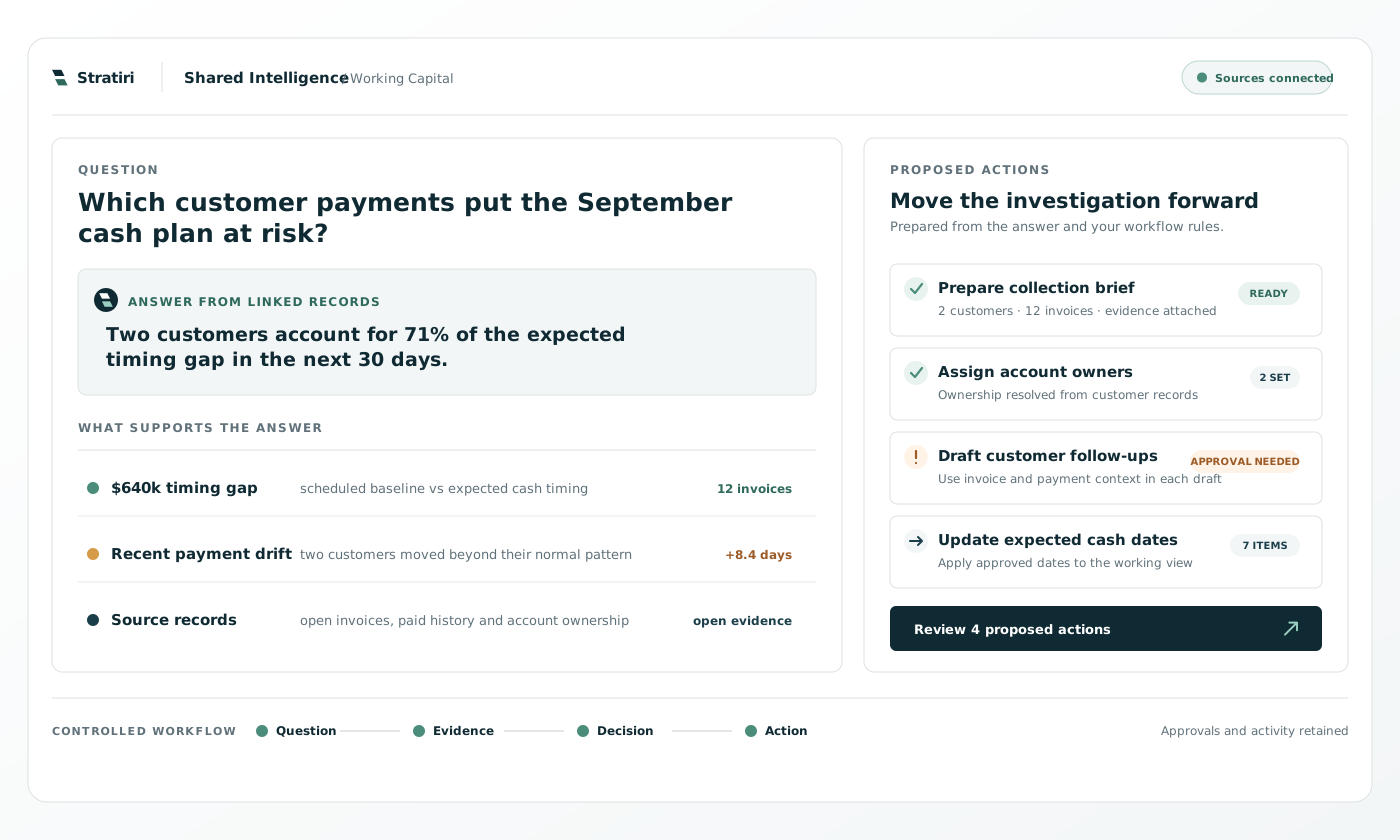
Ask a finance question in plain language. Every answer is built from your own connected records, opens to the evidence behind it, and says so when that evidence is thin.
Every question runs the same sequence, and every step it takes stays visible to the finance team that owns the outcome.
Five modules on one financial model. Each reads the same connected records, so a number does not change meaning when you move between them.
Balances across every entity, bank and currency, reconciled to the ledger. Open items forecast on how counterparties actually pay, not on the terms printed on the invoice.
See the moduleMovements decomposed into price, volume, mix, currency and cost, ranked by size, with whatever the model cannot account for left visible rather than absorbed.
See the moduleExposure by currency against policy coverage, portfolio value at risk with cross-currency correlation, and rate shocks run against the actual debt book.
See the moduleAsk across every connected record in plain language. The answer arrives with its evidence, names what it could not find, and leaves the decision with its owner.
See the moduleConnections to the ledgers, banks and files you already keep, each showing what it carries, when it last ran and how far back its history reaches.
See the moduleWe map the systems, entities, accounts, decisions and controls behind the work. Then we configure Stratiri with finance and extend it as requirements change.
Document who owns the work, which systems hold the records and where reconciliation, forecasting or approval breaks down.
Connect ERP, bank, payment and operating data. Map entities, accounts and dimensions to the reporting structure finance uses.
Set the views, ownership, thresholds and approvals for the finance process being implemented.
Add entities, accounts, data sources and workflows without rebuilding the finance model from scratch.
We start by mapping your entities, systems and the decisions finance already owns, then run Stratiri against your own structure so you can judge it on your numbers.